Free and low-cost estate planning help for Charlotte families
By Rod Burnett · Updated 2026-07-19
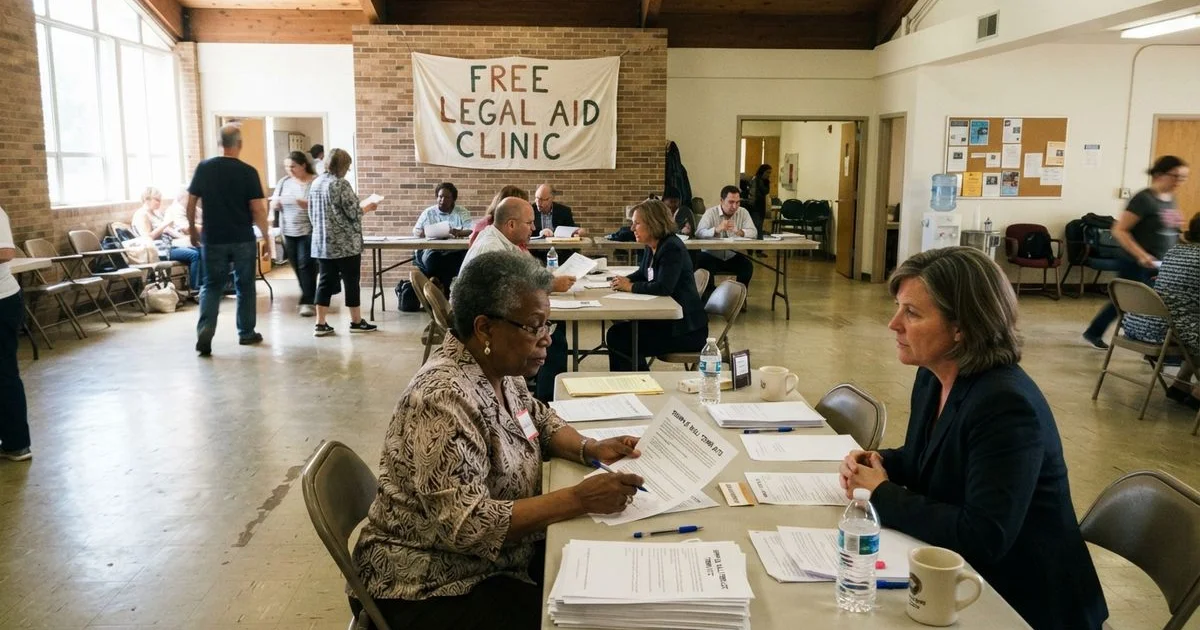
Cost shouldn’t be the reason someone goes without a will or power of attorney. If a full attorney fee isn’t realistic right now, there are real options in the Charlotte area worth exploring before giving up on planning altogether.
Where to look for reduced-cost help
| Resource type | What it typically offers | Best for |
|---|---|---|
| Legal aid organizations | Free legal help for income-eligible individuals | Low-income individuals and families |
| Law school legal clinics | Free or low-cost drafting supervised by licensed attorneys | Straightforward wills and basic documents |
| Local bar association referral services | Reduced-rate initial consultations, sometimes free | Anyone unsure where to start |
| Community and senior centers | Occasional free legal clinics for specific documents | Seniors, veterans, and specific community groups |
| Firm pro bono programs | Some private firms set aside free capacity for qualifying cases | Individuals who don’t meet legal aid income limits but still can’t afford full fees |
Availability and eligibility rules shift over time, so calling ahead to confirm current income limits and openings saves a wasted trip.
What to ask when you call
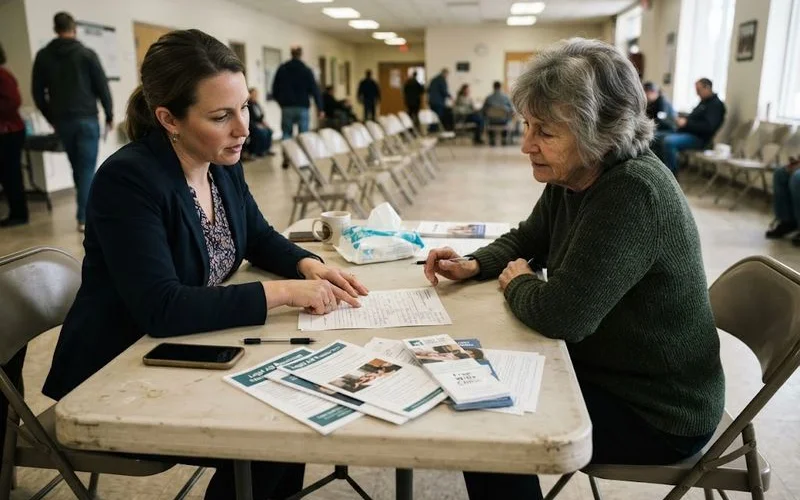
Before scheduling anything, ask a few direct questions: current income eligibility limits, how far out the waitlist runs, whether the session covers drafting or just general guidance, and whether a licensed attorney reviews the final document even if a law student helps prepare it. These answers vary by organization and by season, since funding and staffing for free legal services can shift throughout the year.
What these resources typically cover well
Free and reduced-cost resources are generally strongest for the basics: a simple will, a power of attorney, and a healthcare directive. These are the documents most people need most urgently, and they’re also the most standardized, which makes them well suited to a clinic or legal aid setting with limited time per case.
When it’s worth paying for a specialist instead
If your situation involves a business, a blended family with complicated dynamics, a beneficiary with a disability who needs a special needs trust, or significant assets across multiple states, a paid attorney with specific experience is usually a better investment than a general free clinic, even if it means saving up or asking about a payment plan first. The complexity is exactly where mistakes become expensive to fix later.
Resources specific to veterans and seniors
Veterans and seniors sometimes have access to planning help that isn’t available to the general public, through veterans service organizations or senior center partnerships with local law schools. These programs come and go and often have limited slots, so it’s worth asking specifically whether a legal aid organization or senior center has a veterans- or seniors-focused clinic scheduled, rather than assuming general eligibility rules apply. For a broader look at what seniors should prioritize beyond free clinics, see our estate planning for seniors guide.
What to bring to a free clinic
Free clinics move quickly, often seeing many people in a single session, so coming prepared matters. Bring a rough list of your assets, the names of people you’d want as executor, agent, or guardian, and any existing documents you’re updating. The more organized you are walking in, the more the limited time can actually be spent drafting rather than gathering basic information.
Ask about bundled or reduced flat fees
Even outside of free clinics, many private firms offer a reduced flat fee for a simple will-only package, sometimes significantly less than their standard estate planning rate. It’s a reasonable question to ask directly: “what’s your lowest-cost option for a basic will?” Firms would generally rather do straightforward, lower-cost work than lose you to no plan at all.
Getting started
Start by calling a legal aid organization or your local bar association to ask about current eligibility and openings. If you don’t qualify or availability is limited, our directory of Charlotte estate planning attorneys lets you compare firms directly, and our methodology page explains how those listings are scored, which can help you find a firm offering a reasonable starting rate. Whichever path fits your situation, the goal is the same: having basic protections in place, not waiting until the cost feels affordable enough to finally act.
FAQ
- Is free legal help the same quality as paying an attorney?
- It can vary. Legal aid organizations and law school clinics are staffed by licensed attorneys or supervised law students, but they often have income eligibility limits and can only take a limited number of cases. For straightforward wills, quality is often comparable; for complex estates, a paid specialist may still be worth the cost.
- Do I qualify for free legal aid based on income?
- Most legal aid organizations set income eligibility limits based on federal poverty guidelines, and some make exceptions for seniors or people with disabilities regardless of income. Contact the organization directly to check current thresholds.
- Are there free options if I don't qualify for legal aid?
- Yes. Local bar association referral services, community legal clinics, and some firms' pro bono days offer either free guidance or reduced rates that don't require meeting income limits, though availability varies.
- Can I use a free online will template instead?
- You can, but improperly signed or witnessed documents can be invalidated entirely, which defeats the purpose. If cost is the only barrier, a low-cost clinic or bundled attorney package is usually safer than a fully do-it-yourself document.